local-news • Thursday, July 2, 2026
What’s That Smell? Why Olympia’s Air Might Seem a Little 'Off' Lately
From Lacey to Tumwater, locals are reporting strange olfactory shifts. We dive into the science of parosmia and how it's affecting Oly's food and park scene.
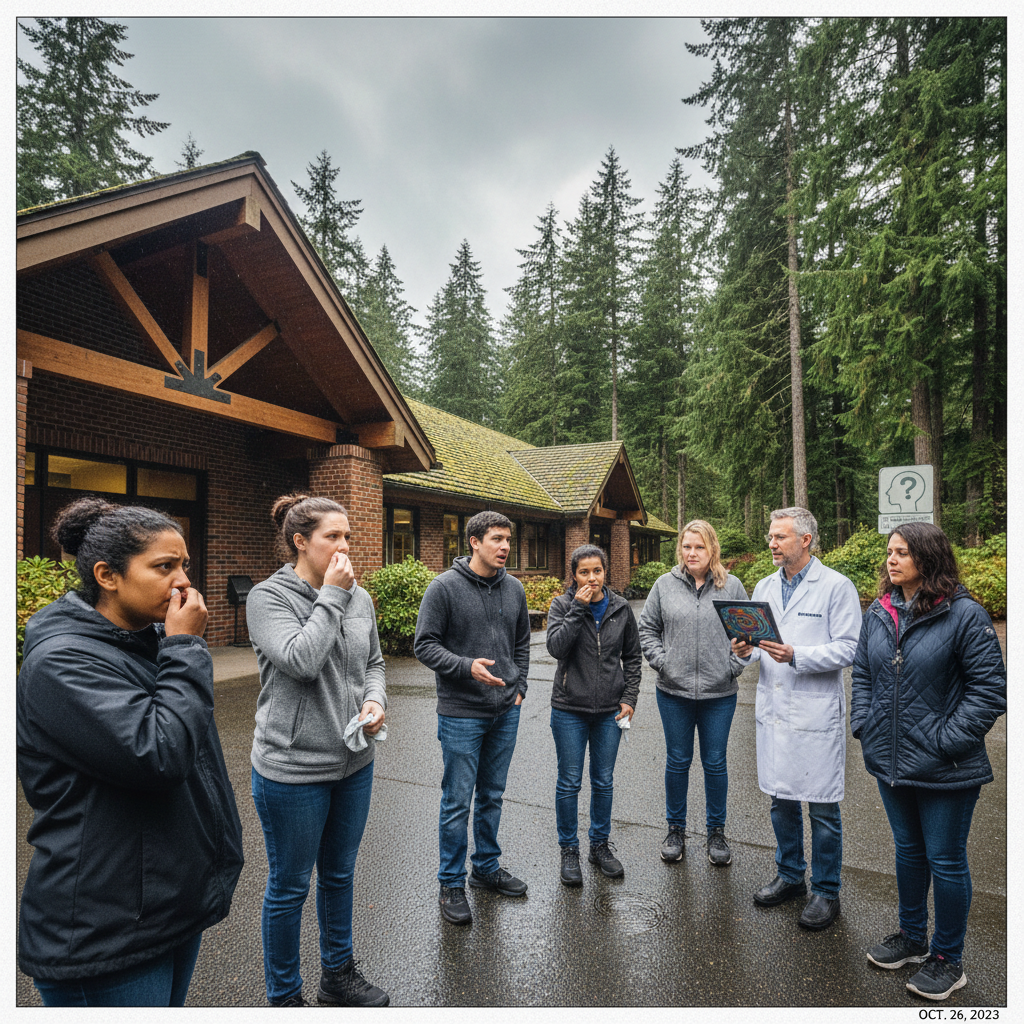
If you’ve stepped out for a morning stroll around Capitol Lake recently and thought the crisp Washington air smelled a little... metallic? Or perhaps your daily ritual of grabbing a dark roast at Olympic Coffee Roasters suddenly feels like you're sniffing a bottle of industrial bleach? You aren’t losing your mind, and you certainly aren’t alone in Thurston County.
Local social media groups have been buzzing with reports of “phantom smells” and distorted aromas. While we’re used to the occasional brackish scent of the sound or the sweet aroma of baking bread downtown, this is something different. We’re talking about **parosmia** (smell distortion) and **phantosmia** (phantom smells).
### The Science Behind the 'Stink' According to a recent report by *The Spokesman-Review*, these sensory glitches are becoming a common post-viral calling card. While the initial wave of COVID-19 might feel like a distant memory for some, the long-term neurological impacts on our olfactory systems are still very much present in our community.
Parosmia occurs when the nerves in your nose—which were likely damaged by a virus—attempt to regrow and rewire. In the process, they cross signals. That heavenly aroma of a grilled salmon dinner at Budd Bay Cafe suddenly gets translated by the brain as something closer to burning rubber. It’s a frustrating, and often isolating, experience for foodies in a city that prides itself on its culinary scene.
### Impact on the Oly Lifestyle Living in the Pacific Northwest means our senses are constantly engaged. We live for the scent of damp cedar in Priest Point Park or the salty mist at Percival Landing. For those suffering from these olfactory distortions, the very things that make Olympia beautiful can become overwhelming or unpleasant.
It’s not just about “bad smells,” either. It’s a quality-of-life issue. When your morning coffee triggers a gag reflex, or your favorite perfume smells like ammonia, it changes how you interact with your neighbors and your environment. It can lead to "sensory fatigue," where locals may find themselves staying indoors more often to avoid unpredictable aromatic triggers.
### Why This Matters Locally * **Community Health Trends:** Thurston County saw significant clusters of viral infections over the last two years; these sensory issues are the "hidden" tail of that recovery period. * **Support for Small Businesses:** Our local restaurateurs and coffee shop owners depend on the sensory appeal of their products. Understanding that guests might be struggling with these conditions helps our service industry remain patient and accommodating. * **Mental Well-being:** Losing your sense of smell or having it distorted is linked to higher rates of depression. Recognizing this as a medical reality helps de-stigmatize the struggle for our neighbors.
### The Path to Recovery The silver lining? For the vast majority of Olympians, this isn't a permanent change. The brain is remarkably plastic, and “smell training”—essentially physical therapy for your nose—is a growing field here in Washington. Experts suggest using familiar scents like lemon, rose, and eucalyptus to help retrain those neural pathways.
Next time you’re browsing the Olympia Farmers Market and notice someone wincing at the scent of fresh herbs, give them a little grace. They might just be waiting for their senses to find their way home.
**Have you noticed a change in how Oly smells lately? Whether it's a phantom scent or a favorite food gone wrong, share your experience in the comments below.**
Tags: Health, Thurston County, Olympia, COVID-19 Recovery