community • Friday, May 1, 2026
Unlocking Olympia’s Future: Why Our History is the Secret to Solving 2024’s Housing Crisis
Is Olympia repeating past mistakes or building on old wins? Discover how Thurston County’s history holds the key to today’s development debates.
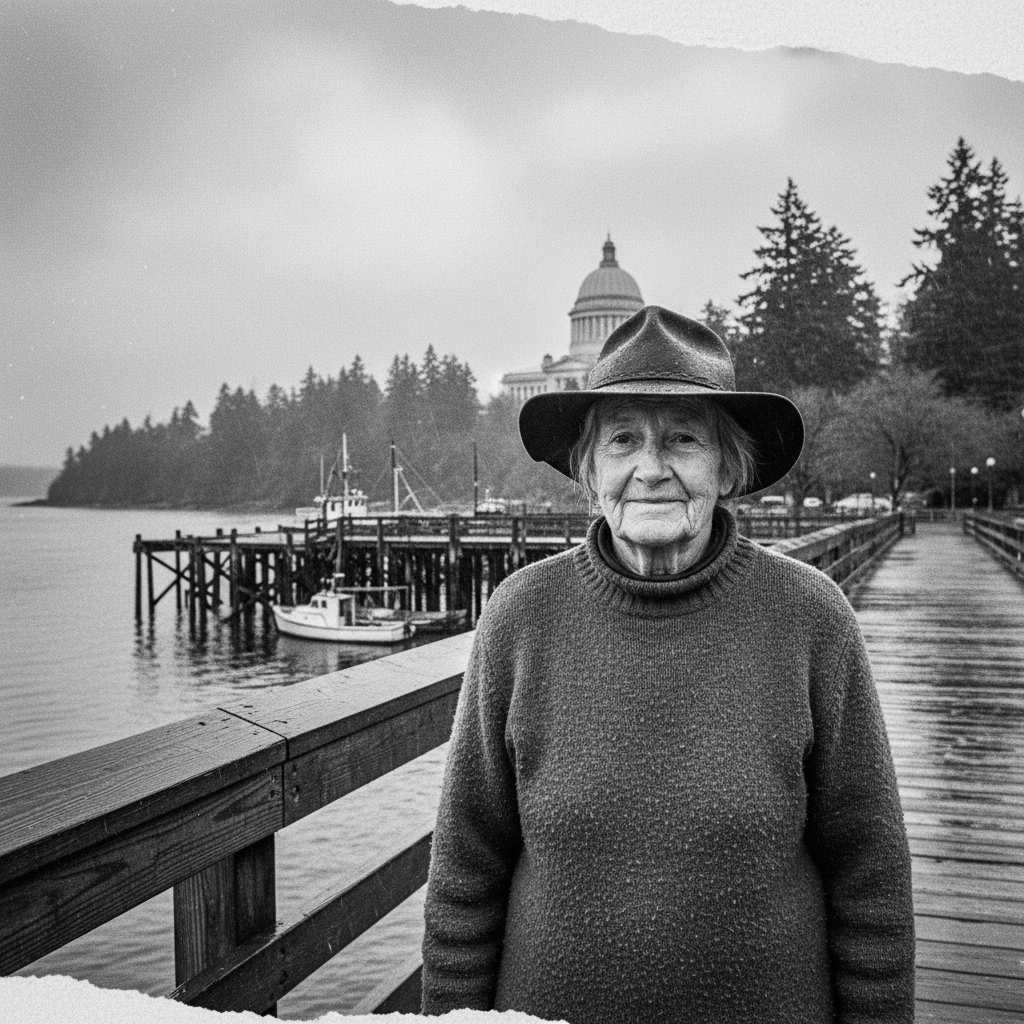
### Looking Back to Move Forward
It’s easy to get caught up in the modern-day hustle of Olympia. Whether you’re navigating the construction zones on State Avenue or debating the latest zoning updates at a City Council meeting, the present feels loud and urgent. But as *The Columbian* recently noted regarding our neighbors in Clark County, there is immense value in pausing to look at the historical blueprints of our region.
For those of us here in Thurston County, history isn’t just a collection of dusty archives at the Schmidt House; it’s a roadmap. When we talk about "unprecedented" growth or the current housing crunch, we often forget that Olympia has been reinventing itself for over 150 years.
### The Echoes of Downtown Development
Take a walk through downtown Olympia and you’ll see the architectural tension between the old and the new. We often hear the argument that new development destroys the "soul" of our city. However, a look back at the early 20th century reveals that Olympia has always been a place of radical transformation. From the filling of the Deschutes estuary to create Capitol Lake to the post-earthquake rebuilds of 1949, our city was built by people who weren’t afraid to reshape the landscape to meet the needs of the time.
The challenge today isn't that we are changing—it’s that we are struggling to decide *how* to change. In the past, the "Olympia way" often favored slow, deliberate preservation. Today, the urgency of housing affordability is forcing us to reconsider if that caution is still serving us, or if we need to embrace the boldness of our pioneer predecessors.
### Learning from the 'Three Cities' Dynamic
One of the most unique aspects of our local history is the interplay between Olympia, Lacey, and Tumwater. While they are distinct municipalities today, their histories are inextricably linked. Historically, Tumwater was the industrial powerhouse, Olympia was the seat of power and commerce, and Lacey was the sprawling frontier.
Understanding this helps explain our current transit and infrastructure struggles. We are trying to manage 21st-century traffic on a 19th-century grid that was never intended to be three separate cities. By looking at past collaborative efforts—like the shared development of our regional port or water systems—we can find the inspiration needed for the regional housing solutions required today.
### Why This Matters Locally
* **Context for Conflict:** Knowing that past generations also argued over "the height of buildings" or "the loss of green space" helps lower the temperature of current civic debates. * **Identity Preservation:** Historical context ensures that as we densify, we don't lose the specific aesthetic that makes the South Sound unique. * **Proven Solutions:** Many of our current "innovative" ideas, like accessory dwelling units (ADUs) or mixed-use blocks, were actually the standard way of living in Olympia before the 1950s.
### Our Next Chapter
History shouldn't be a shackle that prevents us from building more apartments or modernizing our streets. Instead, it should be a mentor. We have survived economic shifts, massive migrations, and environmental changes before.
As we look toward the future of the OlyTimes readership area, we have to ask ourselves: Fifty years from now, what will the historians say about *this* moment? Did we use the lessons of the past to create a more equitable city, or did we let history stand in the way of progress?
**What’s your favorite piece of Olympia history that you think we should remember as we grow? Let us know in the comments or join the conversation on our social pages.**
Tags: Olympia History, Urban Development, Thurston County, Housing Crisis