community • Friday, April 10, 2026
The Pulse of Thurston County: What Recent Vital Stats Reveal About Olympia’s Future
From baby booms to aging booms, we’re diving into the latest demographic shifts in Olympia and what they mean for our schools and housing market.
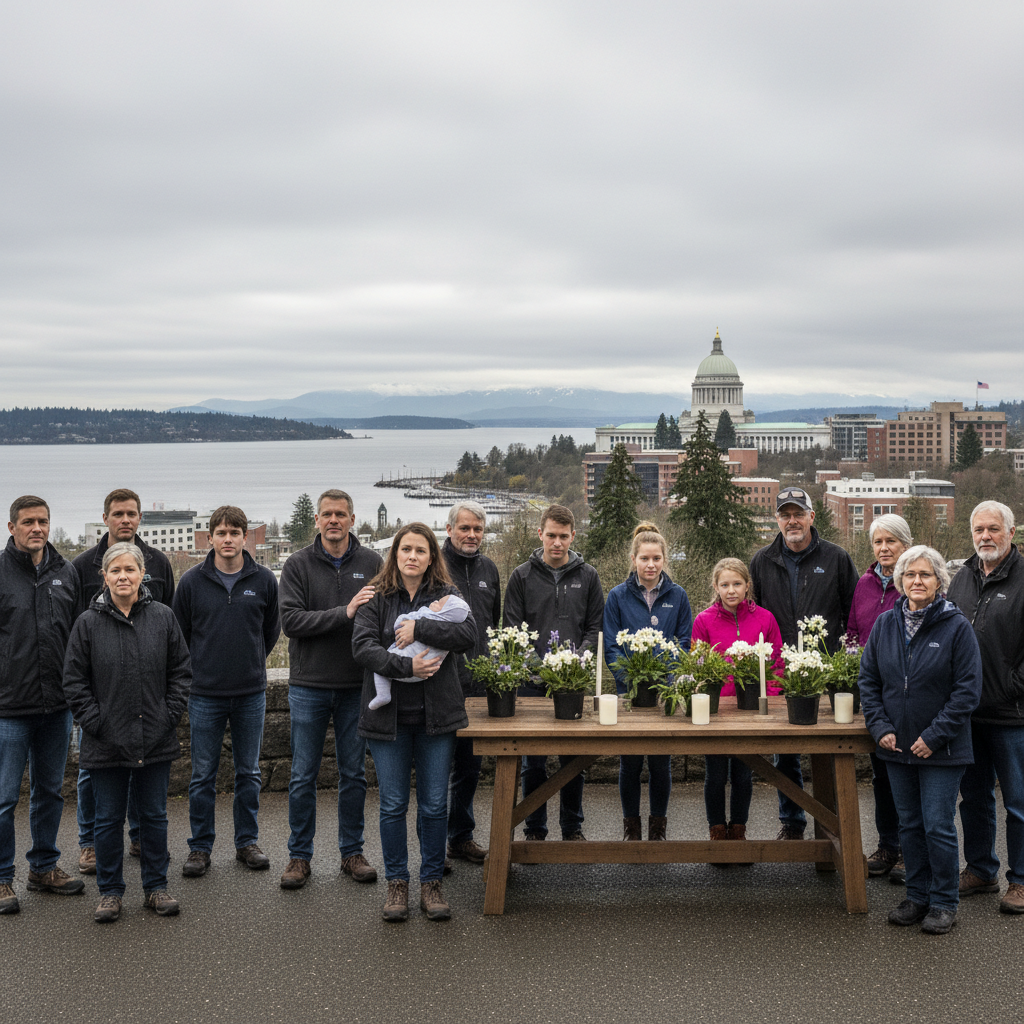
It’s easy to glaze over when you see a spreadsheet titled “Vital Statistics.” It sounds like something tucked away in a dusty filing cabinet at the Department of Health. But as we recently saw in a report from *The Columbian*, these numbers are anything but dry. They are the heartbeat of Olympia, tracking the two most profound moments in any human life: the arrivals and the departures.
In Thurston County, these aren't just figures on a page; they are a roadmap for our city’s evolution. When we look at who is being born and who we are losing, we aren't just looking at history—we’re looking at what West Olympia will look like in ten years, or how the downtown core will need to adapt to an aging population.
### The Schoolroom vs. The Senior Center One of the most immediate impacts of these stats is felt in our local school districts. If we see a dip in birth rates, we aren't just talking about fewer diapers being sold at the Cooper Point Target; we’re talking about future shifts in school funding and the potential for redistricting. Conversely, a spike in births puts immediate pressure on an already taxed childcare system in Washington State.
On the other end of the spectrum, Olympia is increasingly becoming a hub for retirees attracted by our natural beauty and healthcare access. An aging population isn't just a "demographic trend"; it’s a demand for more ADA-accessible transit on Intercity Transit routes and a push for more specialized medical facilities near Providence St. Peter Hospital.
### The Housing Ripple Effect Locals know that the housing market in Olympia has been tight for years. The vital statistics play a hidden role here. As our community ages, we’re seeing a greater need for "downsized" housing—options that allow long-time residents to stay in the community without maintaining a four-bedroom house in the suburbs. If the supply doesn't meet this shift, we see a bottleneck that keeps younger families from moving into those larger starter homes, driving prices up for everyone.
### Why This Matters Locally Understanding our community's vitals isn't just for city planners at City Hall; it’s for all of us trying to navigate life in the South Sound.
* **Infrastructure:** Our roads and public utility services are planned decades in advance based on these growth and loss projections. * **The Labor Force:** As baby boomers in Thurston County’s massive public sector workforce retire, it opens up critical opportunities—and challenges—for our local economy and state government operations. * **Social Services:** From the volume of meals delivered through senior programs to the number of playgrounds required in our parks, these stats dictate where our tax dollars go.
### A Community, Not Just a Chart While the data gives us the "what," it’s up to us to provide the "how." How do we ensure that Olympia remains a sustainable place for a newborn to grow up and for a senior to retire with dignity?
We often talk about Olympia’s growth in terms of new apartment buildings or traffic on I-5, but the real story is much more personal. Every birth is a new neighbor; every death is a story concluded. By paying attention to these shifts now, we can advocate for the types of development and services that actually reflect the people living here.
**What changes have you noticed in your neighborhood? Are you seeing more young families moving in, or is your block becoming a quiet retirement haven? Let us know in the comments.**
Tags: Thurston County, Demographics, Olympia Living, Population Growth