community • Tuesday, April 7, 2026
Algorithms vs. Adolescents: Why AI Diet Plans Are Disturing Olympia’s Youth Wellness Scene
Is your teen’s new meal plan coming from a doctor or a chatbot? Here is why Olympia parents need to be wary of AI-generated nutrition advice.
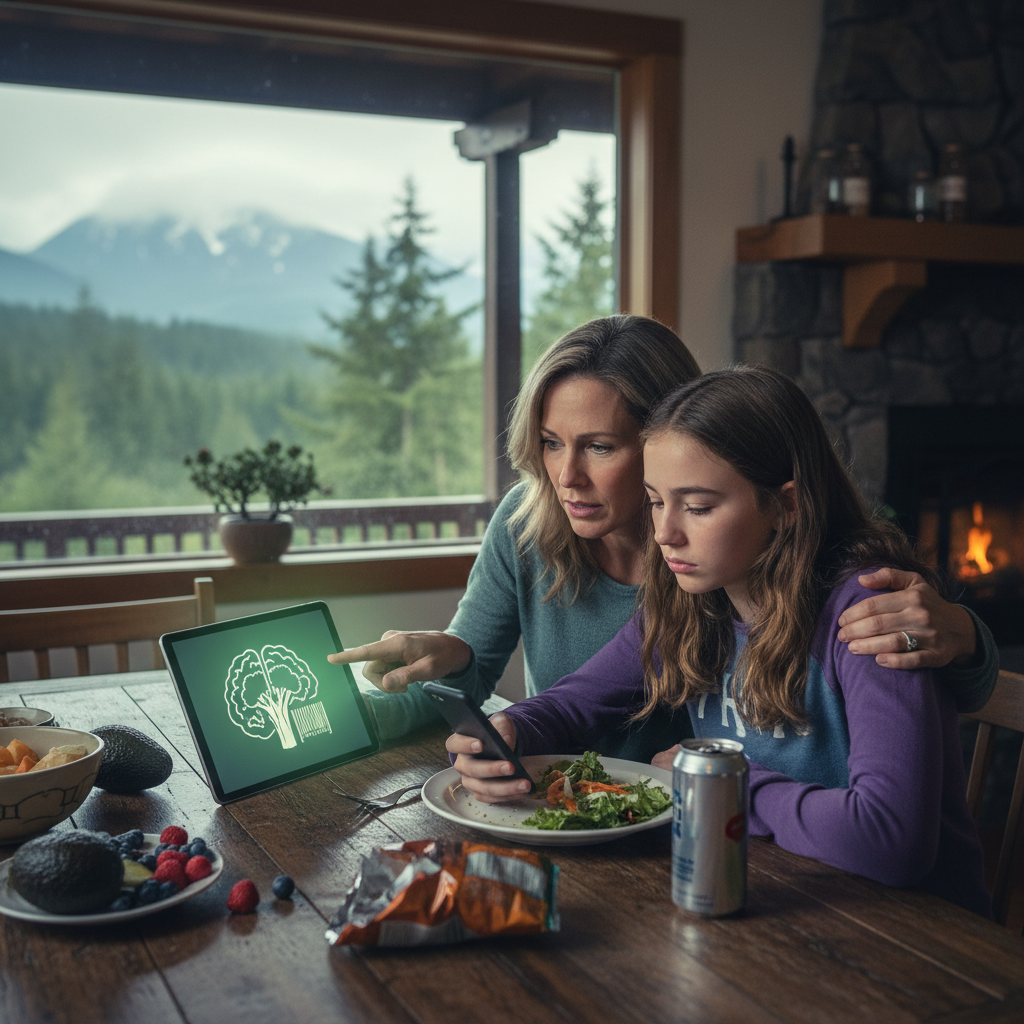
Between the bustling halls of Olympia High School and the quiet study corners of the Timberland Library, a new — and invisible — health crisis is emerging. As our local teens navigate the pressures of social media, they are increasingly turning to a new, unregulated advisor: Artificial Intelligence.
Recent reporting from *The Columbian* has spotlighted a growing concern that hits close to home for Thurston County families. AI-generated diet plans are becoming the go-to resource for tech-savvy adolescents, but these algorithms are missing the human nuance required to protect a growing body and mind.
### The Algorithm in the Kitchen We live in a tech-forward region. From state agency workers to Boeing engineers, Olympia is a town that values data. However, when it comes to teenage health, data without empathy is a dangerous recipe. AI tools, while impressive, operate on pattern recognition rather than biological reality. When an Olympia teen asks a chatbot for a "quick weight loss plan," it doesn't see a developing thirteen-year-old; it sees a math problem to solve.
The result? Caloric restrictions that are far too aggressive for a student-athlete at Capital High or meal plans that unintentionally trigger the psychological triggers of body dysmorphia.
### Why Olympia Families Face Unique Pressures In our Pacific Northwest corner, we pride ourselves on health and wellness. We have some of the best farmers' markets in the country and a culture that values outdoor activity. But that same "wellness culture" can sometimes morph into an obsession with perfection.
For a local teenager, the jump from following a "clean eating" trend on TikTok to asking an AI to manage their entire caloric intake is remarkably short. Unlike a consultation with a local pediatrician at Mary Bridge or a nutritionist at MultiCare, an AI doesn't ask about a teen's mental health or their relationship with food. It just produces a list—one that can lead down a dark path toward eating disorders.
### Why This Matters Locally Thurston County has seen a steady rise in the demand for youth mental health services over the last three years. Our local school districts are already stretched thin trying to address the "digital wellness" of students.
When AI enters the fray as a pseudo-medical authority, it undermines the work of our local healthcare providers. It creates a barrier between parents and children, where a teen may trust the "logic" of a computer over the concern of a caregiver. Locally, we must recognize that this isn't just a "tech issue"—it's a community health priority that impacts our schools, our sports teams, and our dinner tables.
### Taking the Tech Out of the Menu As a community, we need to move beyond just monitoring screen time. We need to audit what our kids are asking these machines. Technology can help our kids with their geometry homework, but it shouldn't be deciding what they eat for lunch before a soccer game at Stevens Field.
Parents, it’s time to have the "AI talk." Ask your kids where they are getting their health information. If it’s coming from a prompt bar instead of a professional, it’s time to recalibrate.
**OlyTalk:** Have you noticed your teens using AI for health or fitness advice? Do you think our local schools should include AI literacy in their health curriculum? Let us know in the comments below.
Tags: teen health, AI safety, Olympia families, mental health, Thurston County